SPELLINGS
FOR THE
SCHOOLS
IN THE
CHIPEWAY LANGUAGE.

Ah-ne-she-nah-pay, Oo-te-ke-too-we-nun; Kah-ke-ke-noo-ah-mah-ween-twah e-kewh, Ka-nah-wah-pahn-tah-gigk Mah-ze-nah-e-kun.
The Project Gutenberg EBook of Sketch of Grammar of the Chippeway Languages, by
John Summerfield

This eBook is for the use of anyone anywhere at no cost and with
almost no restrictions whatsoever.  You may copy it, give it away or
re-use it under the terms of the Project Gutenberg License included
with this eBook or online at www.gutenberg.org


Title: Sketch of Grammar of the Chippeway Languages
       To Which is Added a Vocabulary of some of the Most Common Words

Author: John Summerfield

Release Date: November 14, 2006 [EBook #19807]
Last Updated: July 22, 2010

Language: English

Character set encoding: ASCII

*** START OF THIS PROJECT GUTENBERG EBOOK GRAMMAR OF THE CHIPPEWAY ***


Produced by Louise Hope, C. J. Lippert, David Starner and the Online
Distributed Proofreading Team at http://www.pgdp.net (This
file was produced from images generously made available
by the Canadian Institute for Historical Microreproductions
(www.canadiana.org))
This is an updated version of an e-text originally produced in November 2006; see end of text for notes.
The e-text consists of two separately published books:
Spellings for the Schools in the Chipeway Language
Sketch of Grammar of the Chippeway Language
In the first book (Spellings...), the hyphen - is used to separate syllables. In the second book (Grammar...) the hyphen seems to represent the glottal stop.
In the word lists of the first book, the first entry in each column was sometimes— but not consistently— capitalized. This capitalization has been retained, whether or not the e-text layout replicates the original.
A few punctuation marks in the paradigms and vocabulary lists have been supplied or regularized. Other errors and anomalies are noted with mouse-hover popups. Bracketed text is in the original.
Ah-ne-she-nah-pay, Oo-te-ke-too-we-nun; Kah-ke-ke-noo-ah-mah-ween-twah e-kewh, Ka-nah-wah-pahn-tah-gigk Mah-ze-nah-e-kun.
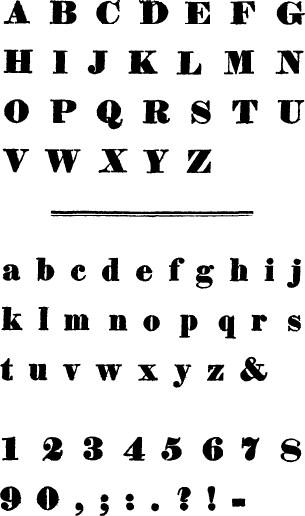
|
Kah nah sah wah keene neene weene meene owh howh ewh |
Neeje keeje weeje moose koose noose meezhe peezhe neezhe weezhe moozhe |
Squahch shwahs quaich paske kaugk mongk shongk jeese aahe tdush |

|
Ah keh ah keeng ah kik ah mik ahn doohm ah nungk ah owh ah pa ah pweh ah sin ah tick |
ah toon e mah e kewh e newh e qua I yahdt kah yawsk ke tahn ke quis ke nwazhe mah quah |
me nick me quom me zeh me squeh me tigk nah maih ne gigk ne peh ne peeng ne sing |
|
Ne sweh oo chawzhe oo kaudt oo kowh oo kun oo mah oo nick |
oo ninje oon taus oo pin oo saum Oo zidt oo skonzhe oo taih |
qui yuck shing quawk shing koub shing kaugk tah zheh te pigk wah zhusk |
|
Ah zheh a shkum a sance a squach a tah a yaudt a zheh che mon che pywh kah che ka kate ka gooh ke kah |
ke kooh ke zhick ke zis ki ya koo koosh mah che mah kuk mah mick mah noo mahn tdah ma quah me chim me kun |
me kaunce me nance me quaich me quon me tdush me owh me zhusk nah nindt na kowh na yaub ne win ning kah |
|
noo sa noo tdin noo tding noong koom oo jee pah mah pa kah pe toon |
poo neh se peh sah keh sau kie she shebe tain ta wa nain |
wa quain wau poose we kah we nin we yause we pidt ween sah |
|
Ah je chaugk ah kah mingk ah neen teh ah ne moosh ah ne peesh ah noo kee ah pa kish ah quing koos ah she kun ah wah kahn ah wa seeh ah yah pa |
ah zhoo gun a me quahn a yah chick a yah yun a zhah yun ka yah peh mah ke sin mah ne toonce mah ne toosh mah ske moodt me ke seh me sah owh |
nah kah mooh ne zhe kaih oo me meh oo nah kun oo ne shkaudt oo que son oon tah shahn oo ske zhick oo se tongk pe je nuck shah wain tung shah wa nim |
|
E nah shka e qua sance e shkoo ta ke na pigk ke noo zhai |
mah noo min me quain tun me sah poose me she min me she kaih |
me she nuck me tig koonce mun tah min nah ma koos nah ma pin |
|
Pah ke tin wau be gun |
wau bah maudt wau be min |
|
Ah nah quodt e we te ing koo che ing koo twaus ish pe ming ka ah koo kah kah keh kah nah ka kah ke nick kah ke nah |
kah shah kance kah sah meh kah moo keede kah we kah ka ka keh ka koo weene ka ke quait ke me wun ke nah wah ke ke che |
ke she kudt ke she kuck ko se non me nah wah me ne zis me ze saih moo koo mon mun ne too mun ne toogk nah koo shah |
|
nah too way neen ah windt ne se tum ning ke che noo se non nowh ah quay oo che pway oo ke mah oo me squeem pah pah say pe me zeh |
pe na sheeh pe pah kim pe she keh sah ke maih sah ke toodt se wah quahn shah kah nosh shong qua sheh shoo ne yah tah be schooch tah que shin |
ta pain tungk ta pwa tungk tain ta seh wah ne toodt wah wah noon wa koo nain wa wa neh weje e shin wig ke waum we nah wah we wah quahn |
|
Ah chit ah mooh ah kuck koo jeesh ah sun ah kooh ah wah se seh e nah pe yook ke pah e kun ke pim oo say ke tah e kun |
me squah ta seh ne pwah kah win ne wah pah tahn oo ka yah wis oo mah kah keh oo mong ke zheh oo tah pe nick oo tah pe nun |
oo ta e min oo que se mon oo wig ke waum pah ske se gun she kah kah winzhe ta pwa tah wick wah oo na seh |
|
Ah quah tah sheeh ah se ke nauk ah zhah wah maig ain tah che yungk ke zhe tah yook maun nah ta nis |
na pwah kah chick pah kah ah quaih too too shah boo waug ke koo mon wah wah ska sheh |
|
Ah kin tah soo win ah nah me ah win ah ne she nah pay ah quah ne pe sahn ah sin ne se kah ke moo te schke win ke nah we schke win mah ze nah e kun me ne te we nun me skoo te se min me tig quah ke zin mon nain e te win ne kah ne se took |
neeng ke te mah kis ne skah te se win nin tah wa mah took ne te ke koo took oo kah ke qua win oo zhe pe e kun pah kun te se win pah pah ke wah yahn shah wa ne te win sah ke e te win ween tah mah we shin we too kah we shin |
|
Pa zhe go kah zhee peen tah kah ta waun oo ke mah we win |
oo te ke too win she pe koo pah tick wah ne squa se win |
Too toosh pim me tay
|
Kah ke pah te se win kah ke qua we ne neh kah nah wah pa me shin kah nah wa ne me shin |
mah noo min e ka zheeh mah kah ta e ne neh e she wa pe se win ta pwa yain tah moo win |
|
Ke too ke mah me non kah ke pah te se win na nahn tah we e waidt |
oo mah ze nah e kun wah wah pe ko noo jeeh |
|
ka ke noo ah mah kaidt mah che ah ye e wish |
ah koo koo pe nah gun ah wah che wun nah gun |
Ahn e me tah koo zin.
11Neeng-ke-che noo-se-non, Ish-pe-ming a-yah-yun. Ka-che-mun-ne-too-we-ne-kah-soo-yun. Ke-ke-che-ke-too-ke-mah-we-win pe-tah-we-she-nom. A-na-ne-me-wong-kane oo-mah-ke-zhe ah-keeng ne-kah-e-she-wa-pe-se-min; tah-pe-schooch a-she-wa-buk e-we-ty Ish-pe-ming. Me-she-she-nom ka-ne-tah-soo ke-she-kuk me-chim pe-mah-te-se-win. Ki-ya pa-kah-shah-wa-ne-me-she-nom che-sah-ke-che-wa-pe-nah-mah-we-yong mah-che-ah-ye-e-wish, nah-sahb-e-koo a-she shah-wa-ne-mong-ke-twah oo-kooh kah-pah-tah-e-yah-me-ke-chik, ki-ya keen e-she-shah-wa-ne-me-she-nom. Ka-goo we-kah ing-koo-chee ah-ne-e-she-we-she-she-kah-kane che-nah-ne-sah-ne-se-yong; mah-noo sah-koo kah-ke-nah shah-koo-te-nah-mah-we-she-nom mah-che-ah-ye-e-wish. Keen-mah-ween ke te-pain-tahn ke-che-oo-ke-mah-we-win, ki-ya euh ke-che-e-she-wa-pe-se-win, ki-ya euh ah-nah-me-ah-win ka-che-me-nwa-tah-quok, kah-ke-nik ki-ya kah-ke-nik.—Amen.
Ah-noo-shoo-tah-mah-ka-win, che-pwah-we-se-ningk.
O Ke-sha-mun-ne-too Ish-pe-ming a-yah-yun, Shah-wain-tah-mah-we-she-nom mahn-tdah me-chim-pe-mah-te-se-win, 12 kah-pah-ke-te-nah-mah-we-yongk; me-tdush ka-oon-je-mah-skah-we-se-yongk che-ah-noo-ke-tah-koo yun; me-owh Jesus Christ a-spa-ne-moo-yongk. Amen.
Ah-noo-shoo-tah-mah-ka-win, kah-e-squah, we-se-ningk.
O Ke-sha-mun-ne-too, neeng-keche Noo-se-non, me-quaich wa-wa-neh kah-we-se-ne-yongk noo-koom, ki-ya ain-tah-soo-ke-she-kuck shah-wain-ne-me-yongk; me-sah-owh Jesus Christ kah-ke-nigk ka-ah-pa-ne-moo-yongk. Amen.
The following pages were written as an exercise for my leisure hours, while attending the Oneida Conference Seminary during the past winter. As it is the first attempt that, to my knowledge, has ever been made to reduce the Chippeway language to any system, it cannot be expected to be otherwise than imperfect, and perhaps may hereafter be found to be, in some respects, erroneous. It is, however, as free from errors as my present means have enabled me to make it. It has been printed at the request of my friends, by a fellow student, at his own suggestion and expense.
J. SUMMERFIELD.
Cazenovia, April 10, 1834.
3The Letters used in the Chippeway Language, are twenty-one, viz. A, a; B, b; C, c; D, d; E, e; G, g; H, h; I, i; J, j; K, k; M, m; N, n; O, o; P, p; Q, q; S, s; T, t; U, u; W, w; Y, y; Z, z. F, L, R, V, and X, are not used.
There are, in the Chippeway Language, ten parts of Speech, namely, the article, the noun, the pronoun, the adjective, the verb, the participle, the adverb, the preposition, the conjunction, and the interjection.
There is but one Article, used definitely both in the masculine and neuter genders, viz. Owh, the, m.; Ewh, the, n.
A Noun is the name of any person, place, or thing; as, Eneneh, man; Kahdahnahqueeng, Kingston; metig, tree.
Nouns are of two sorts, Common and Proper.
Common Nouns stand for kinds containing many sorts, or for sorts containing many individuals under them; as, Ahwaseeh, animal; eneneh, man; kegownh, fish; penaseh, bird.
Proper Nouns are the names appropriated to individuals, as, Charles, Cazenovia, Ganges. [N.B. Proper names, with a few exceptions, are the same as in English.]
To Nouns belong gender, person, number, and case.
Gender is the distinction of nouns with regard to sex.
Nouns have three genders, the masculine, the feminine, and the neuter.
The masculine gender denotes males; as, Eneneh, man.
The feminine gender is applied to animals, fishes, and birds; as, Nahbak, a she bear, &c.
The neuter gender denotes things without sex; as, Wewahquon, a hat.
Number is the distinction of objects as one or more.
4Nouns are of two numbers, the singular and the plural.
The singular number implies but one object; as, Mahzenahegun, a book.
The plural number implies more than one; as, Mahzhenahegahnun, books.
Nouns have three cases, the nominative, the possessive, and the objective.
The nominative case simply expresses the name of a thing, &c.; as, Owh quewesanceoobahkahmegezeh, the boy plays.
The possessive case expresses the relation of property or possession, and always ends with the letter o; as, Noosayo wegewaum, my father's house.
The objective case expresses the object of an action or of relation; as John owejeahn Charles, John assists Charles.
Nouns may be declined in the following manner:
| Singular. | Plural. | |
|---|---|---|
| Nom. Case, | Eneneh, man. | Enenewug, men. |
| Poss. Case, | Eneneho, man's. | Enenewugo, men's. |
| Obj. Case, | Eneneh, man. | Enenewug, men. |
A Pronoun is a word used instead of a noun, to avoid repeating the same word; as, Pahpenatum eneneh, the man is happy; Pahpenatum, he is happy.
There are three personal pronouns, viz. Neen, I; keen, thou; ween, he; with their plurals, Nenahwind, we; kenahwah, ye or you; wenahwah, they.
Personal pronouns have person, number, gender and case.
The persons of pronouns are three in each number, viz.
|
Neen, I, is the first person, Keen, thou, is the second person, Ween, he, is the third person, |
 |
Singular. | |
|
Nenahwind, we, is the first person, Kenahwah, you, is the second person, Wenahwah, they, is the third person, |
|
Plural. | |
Number.—Pronouns have two numbers, the singular and the plural.
5 Case.—Pronouns have three cases, the nominative, the possessive, and the objective.
Pronouns cannot be declined. The cases of each person have the same form.
| First person. | Singular. | Plural. |
|---|---|---|
| Nom. | Neen, I. | Nenahwind, we. |
| Poss. | Neen, mine. | Nenahwind, ours. |
| Obj. | Neen, me. | Nenahwind, us. |
An Adjective is a word added to a noun to express its quality; as, quahnoj eneneh, a good man; menwawezheh eneneh, an industrious man.
Adjectives are not varied to agree with their nouns, nor do they have any regular comparison.
The following is a list of Numeral Adjectives:
| Pazhick, | 1 |
| Neezhe, | 2 |
| Nesweh, | 3 |
| Newin, | 4 |
| Nahnun, | 5 |
| Ingoodwahsweh, | 6 |
| Neswahsweh, | 7 |
| Shahsweh, | 8 |
| Shongsweh, | 9 |
| Metahsweh, | 10 |
Metahsweh ahshepazhick, |
11 |
| Metahsweh ahsheneezhe, | 12 |
| Metahsweh ahshenesweh, | 13 |
| Metahsweh ahshenewin, | 14 |
| Metahsweh ahshenahnun, | 15 |
| Metahsweh ahsheingoodwahsweh, | 16 |
| Metahsweh ahsheneswahsweh, | 17 |
| Metahsweh ahsheswahsweh, | 18 |
| Metahsweh ahsheshongsweh, | 19 |
| Nestahnah, | 20 |
| Nestahnah ahshepachick, | 21 |
| Nestahnah ahsheneezhe, | 22 |
| Nestahnah ahshenesweh, | 23 |
| Nestahnah ahshenewin, | 24 |
| Nestahnah ahshenahnun, | 25 |
Nestahnah ahsheingoodwahsweh, |
26 |
| Nestahnah ahsheneswahsweh, | 27 |
| Nestahnah ahsheshahsweh, | 28 |
| Nestahnah ahsheshongsweh, | 29 |
| Nesemetahnah, | 30 |
| Nemedahnah, | 40 |
| Nahnemedahnah, | 50 |
| Ingoodwahsemedahnah, | 60 |
| Neswahsemedahnah, | 70 |
| Swahsemedahnah, | 80 |
| Shonggahswehmedahnah, | 90 |
| Ingoodwak, | 100 |
| Nezhwak, | 200 |
| Neswak, | 300 |
| Newak, | 400 |
| Nahnwak, | 500 |
| Ingoodwahswak, | 600 |
| Nezhahswak, | 700 |
| Shawhswak, | 800 |
| Shongahswak, | 900 |
| Medahswak, | 1000 |
| Neezhemedahswak, | 2000 |
| Medahswehdahswak, | 10,000 |
| Nestahnahdahswak, | 20,000 |
| Nemedahnahdahswak, | 40,000 |
A Verb is a word which signifies to be, to do, or to suffer; as, Nedahyah, I am; Nedebahkoonewa, I rule; Nedebahkoonegoo, I am ruled.
Verbs are of three kinds, active, passive, and neuter.
A Verb Active expresses an action, and necessarily implies an agent and an object acted upon; as, Nezhahgeah James, I love James.
A Verb Passive expresses passion or a suffering or the receiving of an action, and implies an object acted upon, and an agent by which it is acted upon; as, Chezhahwaneding, to be loved; John oojezhahwanemah neen, John is loved by me.
A Verb Neuter expresses neither action nor passion, but being or a state of being; as, Nenebah, I sleep; Nenahmahdub, I sit.
Verbs have number, person, mood and tense.
Verbs have two numbers, the singular and the plural.
There are three persons in each number; as,
| Pers. | Singular. | Plural. |
|---|---|---|
| 1. | Nezhahwanega, I love. |
Nezhahwanegamin, we love. |
| 2. | Kezhahwanega, thou lovest. |
Kezhahwanegaim, you love. |
| 3. | Zhawanega, he loves. |
Zhahwanegawug, they love. |
The moods are five, Indicative, Subjunctive, Imperative, Potential, and the Infinitive.
The Indicative declares or affirms positively, or it asks a question; as, Zhahwanega, he loves; Zhahwaneganah? Does he love?
The Subjunctive expresses action or passion in a doubtful manner; as, Kespin zhahwanegaid, if he loves.
The Imperative is used for commanding, exhorting, and entreating; as, Mahjahn keen, depart thou; Noodahmooyook, do thou listen.
The Potential implies possibility, liberty, power, will; as, Tahgemewan kahnahbuge, it may rain; Kegahwesenemin kiya kahmenequamin, we shall eat and drink.
The Infinitive simply expresses the signification of the verb; as, Cheezechegang, to do; Chegegedoong, to speak.
7Verbs have six tenses, the present, the imperfect, the perfect, the pluperfect, the first and second future tenses.
The present tense represents a present action as taking place at the time in which it is mentioned; as, Nebop, I laugh; Newob, I see; Nedenadum, I think.
The imperfect tense denotes past action or event however distant, finished, but without defining the exact time of its completion; as, Oodanongezahbahneeg ahpe naquaskahwod, they were travelling to the town when he met them.
The perfect tense refers not only to what is past but also conveys an allusion to the present time; as, Ahzheh negegezhetoon nemahzhenahegun, I have finished my letter.
The pluperfect tense represents a thing, not only as past, but also as prior to some other point of time specified in the sentence; as, Ahzehnegegezhetonahbun letter chebwabedahgweshing, I had finished my letter before he arrived.
The first future tense represents the action as yet to come, either with or without respect to the precise time when; as, Owh kezis tahbemookahum wahbung, the sun will rise to-morrow.
The second future tense represents a future action that will be accomplished before another future action; as, Negahwesenenahbun nahwahquaig, I shall have dined at twelve o'clock.
A Verb is conjugated in the following manner:
| Present Tense. | ||
|---|---|---|
| Sing. | 1. Nezhahwanega, | I love. |
| 2. Kezhahwanega, | Thou lovest. | |
| 3. Zhahwanega, | He loves. | |
| Plur. | 1. Nezhahwanegamin, | We love. |
| 2. Kezhahwanegaim, | Ye or you love. | |
| 3. Zhahwanegawug, | They love. | |
| Imperfect. | ||
| Sing. | 1. Negezhahwanega, | I loved. |
| 2. Kegezhahwanega, | Thou lovedst. | |
| 3. Kezhahwanega, | He loved. | |
| 8 Plur. | 1. Negezhahwanegamin, |
We loved. |
2. Kegezhahwanegaim, |
Ye or you loved. | |
| 3. Kezhawanegawug, | They loved. | |
| Perfect. | ||
| Sing. | 1. Ahzehnegezhahwanega, |
I have loved. |
2. Ahzehkegezhahwanega, |
Thou hast loved. | |
3. Ahzehkezhahwanega, |
He has loved. | |
| Plur. | 1. Ahzehnegezhahwanegamin, |
We have loved. |
2. Ahzehkegezhahwanegaim, |
Ye or you have loved. |
|
3. Ahzehkezhahwanegawug, |
They have loved. | |
| Pluperfect. | ||
| Sing. | 1. Ahzehnegezhahwaneganahbun, |
I had loved. |
2. Ahzehkegezhahwaneganahbun, |
Thou hadst loved. | |
3. Ahzehkezhahwanegabun, |
He had loved. | |
| Plur. | 1. Ahzehnegezhawanegaminahbun, |
We had loved. |
2. Ahzehkegezhahwanegamwahbun, |
You had loved. | |
3. Ahzehkezhahwanegabahneeg, |
They had loved. | |
| First Future. | ||
| Sing. | 1. Negahzhahwanega, | I shall or will love. |
| 2. Kegahzhahwanega, | Thou shalt or wilt love. |
|
| 3. Tahzhahwanega, | He shall or will love. |
|
| Plur. | 1. Negahzhahwanegamin, |
We shall or will love. |
2. Kegahzhahwanegaim, |
You shall or will love. |
|
3. Tahzhahwanegawug, |
They shall or will love. |
|
| Second Future. | ||
| Sing. | 1. Negahzhahwaneganahbun, |
I shall have loved. |
2. Kegahzhahwaneganahbun, |
Thou wilt have loved. |
|
3. Tahzhahwanegabun, |
He will have loved. | |
| Plur. | 1. Negahzhahwanegaminahbun, |
We shall have loved. |
2. Kegahzhahwanegamwahbun, |
You will have loved. |
|
3. Tahzhahwanegabahneeg, |
They will have loved. |
|
| Sing. | 1. Tahgahneenegazhahwanega, |
Let me love. |
2. Zhahwanegain, or |
Love thou, or do thou love. |
|
3. Tahgahween tahzhahwanega, |
Let him love. | |
| 9 Plur. | 1. Tahgahnenahwind gahzhahwanegamin, |
Let us love. |
2. Zhahwanegayook, or Kezhahwanegaimnah, |
Love ye or you, or do you love. |
|
3. Tahgahwenahwah tahzhahwanegawug, |
Let them love. |
| Sing. | 1. Nedahzhahwanega, | I may love. |
| 2. Kedahzhahwanega, | Thou mayest love. | |
| 3. Tahzhahwanega, | He may love. | |
| Plur. | 1. Nedahzhahwanegamin, |
We may love. |
2. Kedahzhahwanegaim, |
You may love. | |
3. Tahzhahwanegawug. |
They may love. | |
| Imperfect Tense. | ||
|---|---|---|
| Sing. | 1. Nedahgezhahwanega, |
I might love. |
2. Kedahgezhahwanega, |
Thou mightest love. | |
| 3. Tahgezhahwanega, | He might love. | |
| Plur. | 1. Nedahgezhahwanegamin, |
We might love. |
2. Kedahgezhahwanegaim, |
You might love. | |
3. Tahgezhahwanegawug, |
They might love. | |
| Perfect Tense. | ||
| Sing. | 1. Nedahgewezhahwanega, |
I may have loved. |
2. Kedahgewezhahwanega, |
Thou mayst have loved. |
|
3. Tahgewezhahwanega, |
He may have loved. | |
| Plur. | 1. Nedahgewezhahwanegamin, |
We may have loved. |
2. Kedahgewezhahwanegaim, |
You may have loved. | |
3. Tahgewezhahwanegawug, |
They may have loved. |
|
| Pluperfect Tense. | ||
| Sing. | 1. Nedahgewezhahwaneganahbun, |
I might have loved. |
2. Kedahgewezhahwaneganahbun, |
Thou mightest have loved. |
|
3. Tahgewezhahwanegabun, |
He might have loved. |
|
| Plur. | 1. Nedahgewezhahwanegaminahbun, |
We might have loved. |
2. Kedahgewezhahwanegamwahbun, |
You might have loved. |
|
3. Tahgewezhahwanegabahneeg, |
They might have loved. |
|
| Sing. | Kespin zhahwanegayaun, |
If I love. |
Kespin zhahwanegayun, |
If thou lovest. | |
Kespin zhahwahnegaid, |
If he loves. | |
| Plur. | Kespin zhahwanegayong, |
If we love. |
Kespin zhahwanegayaig, |
If you love. | |
Kespin zhahwanegawod, |
If they love. |
| Pres. | Chezhahwanegang, To love. |
| Perf. | Chegezhahwanegang, To have loved. |
| Fut. | Ahyegwahwezhahwanegang, To be about to love. |
| Present, | Zhahwaneding, | Loving. |
| Perfect, | Zhahwanemind, | Loved. |
| Sing. | Nedahyah, | I am. |
| Kedahyah, | Thou art. | |
| Ahyah, | He is. | |
| Plur. | Nedahyahmin, | We are. |
| Kedahyaum, | Ye or you are. | |
| Ahyahwug, | They are. | |
| Imperfect Tense. | ||
|---|---|---|
| Sing. | Nedahyahnahbun, | I was. |
| Kedahyahnahbun, | Thou wast. | |
| Ahyahbun, | He was. | |
| Plur. | Nedahyahmenahbun, | We were. |
| Kedahyahmwahbun, | You were. | |
| Ahyahbahneeg, | They were. | |
| Perfect Tense. | ||
| Sing. | Negeahyahnahbun, | I have been. |
| Kegeahyahnahbun, | Thou hast been. | |
| Keahyahbun, | He has been. | |
| Plur. | Negeahyahmin, | We have been. |
| 11 | Kegeahyaum, | You have been. |
| Keahyahwug, | They have been. | |
| Pluperfect Tense. | ||
| Sing. | Nedahgeweahyahnahbun, |
I had been. |
Kedahgeweahyahnahbun, |
Thou hadst been. | |
| Keweahyahbun, | He had been. | |
| Plur. | Nedahgeweahyahmin, | We had been. |
| Kedahgeweahyaum, | You had been. | |
| Keahyahbahneeg, | They had been. | |
| First Future Tense. | ||
| Sing. | Negahahyah, | I shall be. |
| Kegahahyah, | Thou wilt be. | |
| Tahahyah, | He will be. | |
| Plur. | Negahahyahmin, | We shall be. |
| Kegahahyaum, | You will be. | |
| Tahahyahwug, | They will be. | |
| Second Future Tense. | ||
| Sing. | Negahgeahyahnahbun, | I shall have been. |
| Kegahgeahyahnahbun, | Thou wilt have been. |
|
| Tahgeahyahbun, | He will have been. | |
| Plur. | Negahgeahyahmenahbun, |
We shall have been. |
Kegahgeahyahmwahbun, |
You will have been. | |
| Tahgeahyahbahneeg, | They will have been. |
|
| Sing. | Tahgahnenegahahyah, | Let me be. |
| Ahyaun kegeahyahun, | Be thou or do thou be. |
|
| Tahgahweendahahyah, | Let him be. | |
| Plur. | Tahgahnenahwindnegahahyahmin, Let us be. | |
| Ahyahyook, | Be ye or you or do you be. |
|
| Tahgahdahahyahwug, | Let them be. | |
| Singular. | Koonemah-nedahahyah, |
I may be. |
Koonemah-kedahahyah, |
Thou mayst be. | |
| Koonemah-dahahyah, | He may be. | |
| Plural. | Koonemah-nedahahyahmin, |
We may be. |
| 12 | Koonemah-kedahahyaum, |
You may be. |
Koonemah-dahahyahwug, |
They may be. | |
| Imperfect Tense. | ||
|---|---|---|
| Singular. | Koonemah-nedahgeahyah, |
I might be. |
Koonemah-kedahgeahyah, |
Thou mightest be. | |
Koonemah-tahgeahyah, |
He might be. | |
| Plural. | Koonemah-nedahgeahyahmin, |
We might be. |
Koonemah-kedahgeahyaum, |
You might be. | |
Koonemah-tahgeahyahwug, |
They might be. | |
| Perfect Tense. | ||
| Singular. | Koonemah-nedahgeahyahnahbun, |
I may have been. |
Koonemah-kedahgeahyahnahbun, |
Thou mayst have been. |
|
Koonemah-tahgeahyahbun, |
He may have been. | |
| Plural. | Koonemah nedahgeahyahminnahbun, |
We may have been. |
Koonemah kedahgeahyahmwahbun, |
You may have been. | |
Koonemah tahgeahyahbahneeg, |
They may have been. | |
| Pluperfect Tense. | ||
| Singular. | Koonemah nedahgeweahyahnahbun, |
I might have been. |
Koonemah kedahgeweahyahnahbun, |
Thou mightest have been. |
|
Koonemah tahgeweahyahbun, |
He might have been. | |
| Plural. | Koonemah nedahgeweahgahmenanbun, |
We might have been. |
Koonemah kedahgeweahyahmwahbun, |
You might have been. |
|
Koonemah tahgeweahyahbahneeg, |
They might have been. |
|
| Sing. | Kespin ahyahyaun, | If I be. |
| Kespin ahyahyun, | If thou be. | |
| Kespin ahyaud, | If he be. | |
| Plur. | Kespin ahyahyong, | If we be. |
| Kespin ahyahyaig, | If you be. | |
| Kespin ahyahwaud, | If they be. | |
| Imperfect Tense. | ||
|---|---|---|
| Sing. | Kespin ahyahyahbaun, |
If I were. |
| 13 | Kespin ahyahyahbun, | If thou wert. |
| Kespin ahyahpun, | If he were. | |
| Plur. | Kespin ahyahyongebun, |
If we were. |
Kespin ahyahyaigoobun, |
If you were. | |
| Kespin ahyahwahpun, | If they were. | |
| Present. | Cheahyong, To be. |
| Perfect. | Chegeahyong, To have been. |
| Pres. | Ahyong, Being. |
| Perf. | Ahyod, Been. |
| Singular. | Nezhahwanemegoo, | I am loved. |
| Kezhahwanemegoo, | Thou art loved. | |
| Zhahwanemah, | He is loved. | |
| Plural. | Nezhahwanemegoomin, | We are loved. |
| Kezhahwanemegoom, | You are loved. | |
| Zhahwanemahwug, | They are loved. | |
| Imperfect. | ||
|---|---|---|
| Singular. | Nezhahwanemegoonahbun, |
I was loved. |
Kezhahwanemegoonahbun, |
Thou wast loved. | |
| Zhahwanemahbun, | He was loved. | |
| Plural. | Nezhahwanemegoomenahbun, |
We were loved. |
Kezhahwanemegoomwahbun, |
You were loved. | |
| Zhahwanemahbahneeg, | They were loved. | |
| Perfect. | ||
| Singular. | Negezhahwanemegoo, | I have been loved. |
| 14 | Kegezhahwanemegoo, | Thou hast been loved. |
| Kezhahwanemah, | He has been loved. | |
| Plural. | Negezhahwanemegoomin, |
We have been loved. |
| Kegezhahwanemegoom, | You have been loved. |
|
| Kezhahwanemahwug, | They have been loved. |
|
| Pluperfect. | ||
| Singular. | Negezhahwanemegoonahbun, |
I had been loved. |
Kegezhahwanemegoonahbun, |
Thou hadst been loved. |
|
| Kezhahwanemahbun, | He had been loved. | |
| Plural. | Negezhahwanemegoomenahbun, |
We had been loved. |
Kegezhahwanemegoomwahbun, |
You had been loved. | |
Kezhahwanemahbahneeg, |
They had been loved. |
|
| First Future. | ||
| Singular. | Negahzhahwanemegoo, | I shall be loved. |
| Kegahzhahwanemegoo, | Thou wilt be loved. | |
| Tazhahwanemah, | He will be loved. | |
| Plural. | Negahzhahwanemegoomin, |
We shall be loved. |
Kegahzhahwanemegoom, |
You will be loved. | |
| Tahzhahwanemahwug, | They will be loved. | |
| Second Future. | ||
| Singular. | Negahgezhahwanemegoo, |
I shall have been loved. |
Kegahgezhahwanemegoo, |
Thou wilt have been loved. |
|
| Tahgezhahwanemah, | He will have been loved. |
|
| Plural. | Negahgezhahwanemegoomin, |
We shall have been loved. |
Kegahgezhahwanemegoom, |
You will have been loved. |
|
Tahgezhahwanemahwug, |
They will have been loved. |
|
| Singular. | |
|---|---|
Tahgahnenegah zhahwanemegoo, |
Let me be loved. |
|
15
Tahgahkegah zhahwanemegoo, |
Be thou loved or |
Tahgahween tahzhahwanemah, |
Let him be loved. |
| Plural. | |
Tahgahnenahwind negahzhahwanemegoomin, |
Let us be loved. |
Tahgahkenahwah kahzhahwanemegoom, |
Be you loved or do you be loved. |
Tahgahwenahwah tahzhahwanemahwug, |
Let them be loved. |
| Singular. | ||
|---|---|---|
Nedahkoonemahzhahwanemegoo, |
I may be loved. | |
Kedahkoonemahzhahwanemegoo, |
Thou mayest be loved. |
|
Tahkoonemahzhahwanemah, |
He may be loved. | |
| Plural. | ||
Nedahkoonemahzhahwanemegoomin, |
We may be loved. | |
Kedahkoonemahzhahwanemegoom, |
You may be loved. | |
Tahkoonemahzhahwanemahwug, |
They may be loved. | |
| Imperfect Tense. | ||
| Singular. | ||
Nedahgekoonemahzhahwanemegoo, |
I might be loved. | |
Kedahgekoonemahzhahwanemegoo, |
Thou mightest be loved. |
|
Tahgekoonemahzhahwanemah, |
He might be loved. | |
| Plural. | ||
Nedahgekoonemahzhahwanemegoomin, |
We might be loved. | |
Kedahgekoonemahzhahwanemegoom, |
You might be loved. | |
Tahgekoonemahzhahwanemahwug, |
They might be loved. |
|
| Perfect Tense. | ||
| Singular. | ||
Nedahgekoonemahkezhahwanemegoo, |
I may have been loved. |
|
Kedahgekoonemahkezhahwanemegoo, |
Thou mayest have been loved. |
|
Tahgekoonemahkezhahwanemah, |
He may have been loved. |
|
| Plural. | 16 | |
Nedahgekoonemahkezhahwanemegoomin, |
We may have been loved. |
|
Kedahgekoonemahkezhahwanemegoom, |
You may have been loved. |
|
Tahgekoonemahkezhahwanemahwug, |
They may have been loved. |
|
| Pluperfect Tense. | ||
| Singular. | ||
Nedahgekoonemahkezhahwanemegoonahbun, |
I might have been loved. |
|
Kedahgekoonemahkezhahwanemegoonahbun, |
Thou mightest have been loved. |
|
Tahgekoonemahkezhahwanemahbun, |
He might have been loved. |
|
| Plural. | ||
Nedahgekoonemahkezhahwanemegoomenahbun, |
We might have been loved. |
|
Kedahgekoonemahkezhahwanemegoomwahbun, |
You might have been loved. |
|
Tahgekoonemahkezhahwanemahbahneeg, |
They might have been loved. |
|
| Singular. | Kespin zhahwanemegooyaun, |
If I be loved. |
Kespin zhahwanemegooyun, |
If thou be loved. | |
Kespin zhahwanemind, |
If he be loved. | |
| Plural. | Kespin zhahwanemegooyong, |
If we be loved. |
Kespin zhahwanemegooyaig, |
If you be loved. | |
Kespin zhahwanemindwah, |
If they be loved. | |
| Imperfect Tense. | ||
|---|---|---|
| Singular. | Kespin zhahwanemegooyahbaun, |
If I were loved. |
Kespin zhahwanemegooyahbun, |
If thou wert loved. | |
Kespin zhahwanemindebun, |
If he were loved. | |
| 17 Plural. | Kespin zhahwanemegooyonggebun, |
If we were loved. |
Kespin zhahwanemegooyaiggoobun, |
If you were loved. | |
Kespin zhahwanemindwahbun, |
If they were loved. | |
| Present. | Chezhahwanemegoong, To be loved. |
| Perfect. | Chegezhahwanemegoong, To have been loved. |
| Present. | Zhahwanemegoong, | Being loved. |
| Perfect. | Zhahwanemind, | Loved. |
A Participle is a word derived from a Verb, and has the nature of a verb and also of an adjective.
Verbs have two participles, the present and the perfect.
The present participle denotes action or being continued, but not finished. It generally ends in ing, eng, or g; as, Tebahkooneding, Ruling, &c.
The perfect participle denotes action or being, finished. This can also be distinguished by its ending in ed or d; as Pahpid, laughed; Shoshomequanid, smiled.
An Adverb is a word used to modify the sense of a verb, &c.; as, Kagate quahnoj eneneh, a truly good man.
1. Ingooding, once; neshing, twice; nesing, thrice.
2. Netum, first; Esquache, lastly.
3. Omah, here; ahnedeh, where; negoojee, somewhere; kahweenegoojee, nowhere; ishpeming nahkayah, upward; nesahye-ee nahkayah, downward; esquayong nahkayah, backward; negaun nahkayah, forward, &c.
4. Noogoom, now; chekezheguk, to-day; mawezhah, long ago; pejenahgooh, yesterday; noomahyah, lately; wahbung, to-morrow; bahmah, by and by; kahmahsheh, not yet; kahyahsekah, instantly; waweeb, immediately.
185. Pahgee, little; ahneenmenik, how much.
6. Koonemah, perhaps; mekahweh, perchance.
7. Kagate, verily; aahe, yes, &c.
8. Kah, no; kahweengahnahga, not at all.
9. Ahneen, how; ahneeshnah, why; ahnahpe, when.
10. Nahwuj, more; kagahkoo, most.
Prepositions serve to connect words with one another and to show the relation between them; as, Cazenove angkeojemahjahkezhodt York, he went from Cazenovia to York.
Pahzhejahye-ee, over; ahnahmahye-ee, under; shepahye-ee, through; ishpeming, above; nesahye-ee, below; keoonjee, from; peoonjee, from; ahwashema, beyond; chegahye-ee, near; negaun, before; Ishquayong, behind; wahsah, off; oogejahye-ee, on or upon; magwaahye-ee, among; ahzheh, after; ahpahgahjeahye-ee, against; ahgahmahye-ee, across; kewetahye-ee, around; nahwahye-ee, amidst; enahkayah, toward, &c.
A Conjunction is a word used to connect sentences, so as out of two to make one.
Conjunctions are of two sorts, the Copulative and the Disjunctive.
The following are some of the Conjunctions:
Cop. Kiya, and; Kespin, if; Owh, that; nahyanze, both; dushween, then; ahpe, since; mesah, therefore; ahnesh, wherefore.
Dis. Atah, but; ahzheh, as; dush, than; koone, though; mahmesahwahwah, unless; kespuge, except; pooch, yet.
An Interjection is a word used to express the sudden emotions of the speaker; as, Tahwah! pemahdezewin 19 nelojegootoge! Alas! I fear for life! O neboowin! Ahneshekewesahgandahmoowin? O death! Where is thy sting?
Earnestness or Grief; O! ah! tahwah, alas!
Joy; Yahhahne! yahhahne! &c.
Wonder; Mahmahkahdahkahmig, strange! hahe, hah!
Aversion; Saih! ahwas, away!
Attention; Nah, hark! Nahbin, behold!
Surprise or Fear; Ingee! Tauneyohne! yohe!
Laughter; Ha! ha! ha!
Requesting silence; Easta, hist! pezahnahbin, silence!
Calling; ahneene, halloo!
Salutation; Mequaich, welcome!
The second page of the "Fable" is imperfectly reproduced, so the last letter on each printed line is conjectural. They are shown here in lighter type.
Kegahweendahmoonin kache dahkooahyod ahdesookaun, kecheoneshesheh dushweengooh.
Wahgoosh ingooding keezhahgoobun haberdashero dahdahwawegahmig. Emah metahskahkahmig ahyahtanegoobun kache gwahnahjewong mask, keoonje ozhechegahdagoobun ahwegah cheahyood mamahjenood ahpe herongh azhe obahkahmegezhejin. Ewh mask egewh mawezhah, meowh ahpe owh ahdesookaun tebaindahgowk, ahgwahnahung kahkenah ewh ostegwan dahgooh helmiting, kiya kahwekah mamahjenood ezheoobahkahmegezhese ayahsenenegoon. Mahmahdah wechegawenebun, owhdush ezhechegang kahweendush kedahwahbahdah zhenon ewh odangowh owh wabahkahmegezid, kiya koonemah anahnookewenegwain nahchebahpid or mahwid, ewh mask ahpun ewh nahsob azhenahgowk.
Owh wahgoosh kahgezheyaindum, wahjapezeh. Oge quakenon ewh mask menahwah kiya menahwah. Oge gahnahwahbahdaun emah ahgwahjeeye-ee, kiya gahnahwahbahdaun emah peenjahye-ee.
Ewh ahgwahjeeye-ee keche shooshoo ahyahgoobun 20 kiya kegezhechegahdagoobun! Ewh peenjahye-ee webahgoobun. Kagate onesheshin oostegwan ayaug omah, ekedoo owh wahgoosh; kagate mejenahwa yahdahkahmig kahwenaindib ahyahsenoog!
Nahnind quahnoj quewesansug ahyahwug kiya equasansug kemahzheh ekoogenedwah oowh enaindahmoowod kahween kagoo ohbahbah mahndahsenahwah, ewh atah oobeshegadahgoosewenewah, ahgoonwatahtesuwod kagoo chekekadahmoowod medush azhe quakeskahwod enahkahkayah wahwazheowening. Koonemah eneneh odah ahtood ewh onindj emah ostegwahning onowh pazhik kiya tahekedooh kahekedood owh wahgoosh kagate sahquahnoj owh oostegwan omah ayog kagate sah mejenah wayahdahkahmig ahyah senoog ewh wenaindib.
Eneneh tahezhah ishpeming, ahyahnzig menoo bemahdezewin, ahyahnzig kechetwahwezewin, ahyahnzig ogemahwewin, ahyahnzig kekenooahmahdewin, ahyahwahsig wejekewayun; kah dushween tahezhahsee ewhety ishpeming ahyahwahsig Christ.
A man may go to heaven without health, without wealth, without honor, without learning, without friends; but he can never go to heaven without Christ.
21It is difficult with us to speak the words themselves.—The words odoon, onik, okod, ozid, okun, do not mean respectively, mouth, arm, leg, foot, bone; but his mouth, his arm, his leg, his foot, his bone. By leaving out the letter o we have the words mouth, arm, &c. themselves: thus, doon, nik, kod, zid, kun. The former is the usual way of speaking, the latter is correct.
By the following illustration it will be better understood how words are formed:
| my | thy or your | his | ||
|---|---|---|---|---|
| Nindj, | a hand, | nenindj, | kenindj, | onindj, |
| Nik, | an arm, | nenik, | kenik, | onik, |
| Doon, | a mouth, | nedoon | kedoon, | odoon, |
| Bid, | a tooth, | nebid, | kebid, | owebid, |
| Daih, | a heart, | nedaih, | kedaih, | odaih, |
| Kown, | a liver, | nekown, | kekown, | okown, |
| Kun, | a bone, | nekun, | kekun, | okun, |
| Skunze, | a nail, | neskunze, | keskunze, | oskunze, |
| Kod, | a leg, | nekod, | kekod, | okod, |
| Bowm, | a thigh, | nebowm, | kebowm, | obowm, |
| Dis, | a navel, | nedis, | kedis, | odis, |
| Pun, | a light, | nepun, | kepun, | opun, |
| Zid, | a foot, | nezid, | kezid, | ozid, |
| Yos, | flesh, | neyos, | keyos, | oweyos, |
| Yowh, | a body, | neyowh, | keyowh, | oweyowh, |
| Oose, | father, | noose, | koose, | osun, |
| Gah, | mother, | negah, | kegah, | ogeen, |
| Siyahn, | brother, | nesiyahn, | kesiyahn, | osiyayun, |
| Shema, | sister, | neshema, | keshema, | oshemayun, |
| Tahwug, | an ear, | netahwug, | ketahwug, | otahwug. |
Aahe, adv. yes
Ahbenoojhee, n. a child
Ahbewin, n. a room
Ahnind, adj. some
Ahpe, adv. then, when
Ahkeh, n. the earth
Ahkeeng, in the earth
Ahzheh, adv. after
Ahneendeh, adv. where?
Ahyahyun, v. art thou
Ahweyah, n. a certain one
| Ahnung, sing., Ahnungoog, plu. |
|
n. a star |
Ahyah, v. he is, was
Ahneen, adv. how?
Ahwon, n. fog, dew, mist
Ahsin, n. a stone
Ahnweh, n. a bullet
Ahnahquod, n. a cloud
Ahnookewin, n. a work
Ahnemeke, n. thunder
Ahkoozewin, n. sickness
Ahpahbewin, n. a saddle, or a thing to sit on
Ahpwahgun, n. a pipe
Ahnahpe, adv. when
Ahgwahnahung, pt. covered
Ahgwahjeeng, outdoors
Ahpequashemoon, n. pillow
| Ahkookoobenahgun Ahwahjewahnahgun |
|
n. a basket, the latter signifies a vessel to carry or gather with |
Ahnahmeahwin, n. religion
Aindahnahbid, v. sitteth
Aindahyaun, n. my house or home
Aiskum, adv. more
Anwahchegaid, n. a prophet
Amequahn, n. a spoon
Atah, conj. but
Ahsamah, n. tobacco
Ahnahmahkahmig, Ahnahmahkeeng, under the earth or ground
Ahgahming, n. other side
Ahyahmook, v. receive it, or take it
Ahshum, v. feed him, or give him something to eat
Ahgahwahta, n. a shadow
Ahwashema, prep. beyond
Ahgwewin, n. a garment
Ahgookayowh, n. a bait, or something to allure animals to a snare
Ahgahjewin, n. bashfulness
Ahquahnebesohn, n. rainbow
24| Azhenekahdaig Adahming |
|
n. name of a thing or place. In asking a question we say what is the name of that thing or place? |
Ahgwahjeeye-ee, n. outside
Anahnookewenegwain, business, or it was his business
Anaindahmon, n. thy will
Azheahyog, v. as it is
Azhegooh, v. as we
Azhemahmahjenoojin, part. played or acted
Ahgoonwatahdezoowod, v. they refuse
Ahyahsenenegoon, when there is none or no
Ainind, pt. called
Ahwas, adv. away
Ahsub, n. a net
Ahyog, is here
Ahpugn, adv. always, usually, the same
Ahmooh, n. a bee
Ahmik, n. a beaver
Ahnim, n. a mean fellow
Ahnit, n. a spear
Ahnebeesh, n. a leaf
Ahnwabewin, n. a rest
Ahnahmeawegahmig, n. a church, meeting-house, or praying-house
Ahskekoomon, n. lead
Ahskahtowhe, n. a skin or hide
Asquach, adv. falsely, vain
Ahdesookaun, n. story, fable
Ahnwahtin, not boisterous
Ahwebah, n. or adj. calm
Ahkahkahzha, n. coal
Ahyegagah, adv. soon, directly
Ahnoodezeh, adv. greedy
Ahnowh, prep. though
Ahtoon, put it down
Ahneenmenik, adv. how much
Ahneendeh, adv. where
Ahneendehnahkayah, adv. which way
Ahnahmahye-ee, prep. under
Ahpahgahjeahye-ee, prep. against
Ahyahwug, v. there are
Ahgahmahye-ee, prep. across
Ahneeshnah, adv. why
Ahdick, n. a rein-deer
Ahjedahmoo, n. a red squirrel
Ahsahnahgoo, n. a black squirrel
Ahgwegoos, n. a chip-monk
Ahkuckoojeesh, n. a ground-hog
Ahdoomahkoomasheeh, n. a monkey, which signifies louse catcher or hunter
Ahnemoosh, n. a dog
Aasebun, n. a raccoon
Aayabegoo, n. an ant
Aayanee, n. opossum
Ahzhahwahmaig, n. a salmon
Ahshegun, n. rock-bass
Ahgwahdahsheh, n. sun-fish
Ahwahsesee, n. cat-fish
Ahmahkahkee, n. a toad
Ahgoonaqua, n. tree-toad
Ahndaig, n. a raven
Ahshahgeh, n. a crane
Ahsegenak, n. a black-bird
Ahjegahdashib, n. water-hen
Ahsenesekab, n. gravel
Ahkik, n. a kettle
Ahbewh, n. a paddle
25Ahzod, n. poplar
Ahneshenahbay, n. an Indian man
Apahgeeshemoog, n. west
Ahahwa, n. a species of duck
Ahwahkaun, n. cattle
Ahgahwosk, n. gypsum
Ahshahwask, n. a sword
Ahgwesemon, n. a pumpkin
Ahgwejekinzhaegun, n. an and-iron
Ahskebug, n. a green leaf
Ahgahwahtaown, n. an umbrella
Ahdahwaweneneh, n. a merchant
Ahkahnok, n. a corn-cob
Azheshahwask, n. a rifle
Ahnejemin, n. pease
Auskig, n. a seal
Ahgookewahsegun, n. sealing-wax
Ahpahgedoon, v. throw it
Bakah, v. to stop
Bahmah, adv. by and by
Bazhig, adj. one
Bahtay, n. smoke
Bahgaun, n. a nut
Bahbegwon, n. a bugle
Bakahnuk, adj. the other
Bahnahjetoon, v. destroy it
Bahtahzewin, n. sin
Bahgundahegawegahmig, n. a barn, or a house to thresh grain in
Bewegahegun, n. a chip
Bemahdezewin, n. life
Beezhahyaun, v. if I come
Bemoosain, v. to walk
Bewahbik, n. iron
Bedoon, v. bring it, or fetch it
Benetoon, v. clean it
Boodahwahgun, n. chimney, fire-place
Bewuyh, n. fur
Chegahye-ee, prep. near
Cheahnwabing, v. to rest
Cheshahdahegun, n. broom, sweeping instrument
Chepahping, pt. laughing
Chebwah, prep. before
Chebuyh, n. a corpse, dead body
Chemaun, n. a boat, a canoe
Chemenewung, v. to yield fruit
Chese, n. a turnip
Chahchaum, v. to sneeze
Cheahyong, v. to be
Dush, conj. but
Dushween, adv. then, there.
Weendush, and he;
owhdush, and the;
medush, and then;
egewhdush, and they
Doombenon, v. to lift
Doon, n. a mouth
Dahdahwawegahmig, n. a store or shop
Danguyh, n. the face
Eneneh, n. a man
Enenewug, n. men
Equa, n. a woman
Equawug, n. women
26Equasance, n. a girl, or little woman
Emeh, adv. there (near,)—sometimes means, into, or in the
Ewhety, adv. there (distant,) in that place
Egewh, pro. them
Enah! int. hark! see!
Enewh, pro. these
Ezhah, v. to go
Ewh, a. the
Eskooday, n. fire
Esquache, adj. last
Ezhahdah, v. let us go
Esquahdaim, n. a door
Enaindahmoowin, n. mind, thought, will
Ekedoowin, n. a word
Eebahdun, n. butter
Enenahbik, n. a rock
Enenahtig, n. a maple-tree
Ezhechegaid, n. means or manner
Ekedooh, v. to say, or he said
Enahkayah, prep. towards
Ewedehnahkayah, adv. that way
Enaindahming, pt. thinking
Equah, n. a louse.
How, v. let us
Hah! int. the same as Ha! in English.
Ishpeming, n. heaven, or above
Inggoojhee, adv. somewhere
Ingoodwahsweh, adj. six
Ishpemesahgoong, n. chamber
Ingoodwak, adj. one hundred
Inggooding, adv. once
Inggwahekaun, n. the grave
Innoozoowahgun, n. a name-sake
Ingee! int. This word is used by children when they are afraid of something that is large
Inggoodoogunze, n. a cluster of fruit.
Keshamunedoo, n. Merciful Spirit or Being
Kechemunedoo, n. God, or Great Good Spirit
Kecheahjechaugk, n. Great Holy Spirit
Kecheogemah, n. King, or great Chief
Kedemahganemeshin, have mercy on me
Kegekaindaun, v. thou knowest
Kechegahmeh, n. a lake
Kegezhaib, n. the morning
Ketegahnans, n. a garden
Kedahyah, v. thou art
Kedahyaum, v. you are
Ke-ne-nah? Is it you?
Kahween, adv. no sir, no, no
Kah, adv. no
Keen, pro. you, or thou
Koosay, n. sing. your father
Koone, n. snow
Kezis, n. the sun
Kiya, conj. and
Kegwis, n. your son
27Kegah, n. your mother
Ketegaun, n. a field
Kahkenah, adj. all, whole
Koosenon, n. our father
Koosewah, n. pl. your father
Koosemah, v. may, might
Kahgequawin, n. law
Kahbabeboon, all winter
Kahbanebin, all summer
Kahgenig, adv. forever
Kahwekah, adv. never
Kagooshish, n. something
Kebemoosay, v. he walked
Kedaun, n. your daughter
Kezheguk, n. day
Kezhik, n. sky
Kahweenegoojee, adv. nowhere
Kegedoon, v. to speak, (in the imperative mood)
Ke-ekedooh, v. he said
Kedenin, I tell you
Keskeezhik, n. your eye
Kooskoozin, v. to awake
Kespin, conj. if
Kesenah, adj. cold
Kagooh, shall not
Keche, adj. great
Kechauze, n. your nose
Ketegaweneneh, n. a husbandman
Keskejewahyaun, n. a waist-coat
Kewadenoong, n. north
Kekewaown, n. a flag
Kagate, adv. truly, verily
Koondun, v. swallow it
Kahmahsheh, adv. not yet
Kahskahdin, v. to congeal, to freeze
Kagooween, you shall not, or thou shall not
Kagebahdezid, n. a fool
Kenebood, pt. died
Kategang, v. to sow or plant
Keskahkezhegang, v. to reap
Kahgega, adj. eternal
Kazhedin, adv. immediately
Keahgoonwatum, v. he denied
| Ketezeh Kekahe |
|
adj. old |
Kegaung, n. a virgin
Kegowh, n. a fish
Keskemon, n. a whet-stone
Keskeboojegun, n. a saw
Kechepezoon, n. a girdle, a sash, a belt
Kebeshang, adj. deaf
Kepahgah, adj. thick
Kebesquang, adj. hoarse
Kesahgehenah? Do you love me?
Kenahweskewin, n. falsehood
Kashahweahyah, adj. loose
Kondahegwahsowin, n. thimble, an instrument used to push with in sewing
Kahyahtenewaid, n. a mid-wife
Kahezhewabuk, it was so
Kekenahwahjechegun, n. a sign or mark
Kegedooweneneh, n. a speaker or lawyer
Kahgahgewinze, n. hemlock
Kahgahgeh, n. wind-pipe
Kekindewin, n. a covenant
Kezebegahegahnahboo, n. soap suds
Kahskahkoonegun, n. corn-crib
Kahskahegun, n. a scraper
28Koozhe, n. a beak
Koonekahdin, n. frost, snow
Kechemekun, n. a high-way
Kagah, adv. mostly
Kahweengagoo, n. nothing
Kegahweendahmoon, I will tell you
Kahgequaweneneh, n. an exhorter, or preacher
Kegowhyekaweneneh, n. a fisherman
Kekaindahmoowad, v. to learn, to know
Kahgahnahga, do not
Kemahzeh, adv. badly
Kegezhechegahdagoobun, pt. completed
Kahgezheyaindum, adj. sagacious
Kagahgoo, adv. almost
Kahyask, n. a gull
Kahgahgehshee, n. a crow
Kookoosh, n. a hog
Kookookoo-ooh, n. an owl
Kenoozha, n. a pike
Kewetahye-ee, prep. around
Kedahgahbezhew, n. a wild-cat
Kaugk, n. a porcupine
Kahgebahdezewin, n. foolishness
Keskekechegun, n. a partition
Mahnedoo, n. a spirit
Mahjahn, v. march on
Mahzhenahegun, n. a book, paper, &c.
Mahjemunedoo, n. an evil spirit, or the devil
Mahzhenenee, n. an image
Mahskemoodance, n. satchel
Mahkahday, n. powder, or black
Megwon, n. a feather, quill
Mekun, n. a road
Mejim, n. food
Mezhusk, n. hay, weed, grass
Menesis, n. hair, of the head
Mequom, n. ice
Metig, n. a tree
Mesheh, n. fire-wood
Metigmahkuk, n. a trunk
Meowh, only, the one to whose
Minjemeneshin, v. hold me
Metigmahkezin, n. shoe, or wooden shoe
Me-ewhmenek, it is enough
Mahdwayahbegahegun, n. a fiddle, or a sonorific instrument, whose strings are capable of vibrating
Megezeh, n. an eagle
Moozhuk, adv. often
Mookoomon, n. a knife
Moozwahgun, n. scissors
Menookahmeh, n. spring, a season of the year
Menahwahzeh, adj. cheerful
Mequamdun, v. remember it
Mezhenahwa, n. a disciple
Mahkundwaweneneh, n. a robber
Mahmahweh, adv. together
Mezheshenon, v. give us
Mesquagin, n. purple
Mahkahdaeneneh, n. a black man
Mahkahdaequa, n. a black woman
29Mawezhah, adv. anciently, long ago
Metegwob, n. a bow
Moskin, n. full
Mahdwawa, n. a sound
Menoodahchin, adv. enough
Menekaun, n. seed
Menequang, v. to drink
Mahskoosen, n. a marsh, a bog, a fen
Mamangwah, n. a butterfly
Mahskeeg, n. a swamp
Mahmahjenoowin, n. miracle
Mahnahtaneseweneneh, n. a shepherd
Mahskahwezewin, strength
Mahjetong, v. to begin
Mahkuk, n. a pail, or box
Mahkahkoosug, n. a barrel
Megahzooweneneh, n. a soldier, a man of war, or a fighting man
Mahmahkahdezing, v. to boast
Megoos, n. an awl
Menis, n. an island
Mahwewin, v. to cry
Memenik, v. be quiet
Mahskekeh, n. medicine
Mahnedoosh, n. an insect, a worm
Mahbah, this one
Mesahkoodoonahgun, n. beard, the hair that grows on the lips and chin
Mondahmin, n. corn
Mechekahnok, n. a fence
Metegoominzhe, n. an oak
Mahskooda, n. plains, flats, or level ground
Mahgeahyah, adj. big
Mahgoobedoong, v. to squeeze
Mayahgezid, n. a stranger
Menahwah, adv. again, more and more
Mamahjenoojin, v. he played
Metahskahkahmig, n. the ground, or on the ground
Menoomenik, adj. sufficient
Mamahjenood, n. an actor
Magwaahye-ee, prep. among
Mahnahtanis, n. a sheep
Meshebezhee, n. a lion
Mahengun, n. a wolf
Mesahbooze, n. a goat
Mahquah, n. a bear
Moaze, n. a moose
Mahskoodaysay, n. a quail
Mahnoomenekashee, n. a mud-hen
Mezhesay, n. a turkey
Mesahmaig, n. a whale
Mahzhahmagoos, n. trout
Mahnoomin, n. rice
Mezheh, adv. everywhere
Magwah, adv. while
Manmooyahwahgaindahmoowin, n. thankfulness
Meshejemin, n. a currant, (fruit)
Mahzahn, n. a thistle
Mahjegooday, n. a petticoat
Menekahnekah, adv. seedy
Mejenahwayahdahkahmig, n. pity
Mahmahdahwechegawenebun, it was a strange custom
Menesenoo, n. a hero
Mesquahsin, n. brick, which signifies, red stone
Mesahowh, that is
30Moosay, n. a worm
Moong, n. a loon
Meene, n. a kind of fruit
Mahjekewis, adj. the eldest
Meskoodesemin, n. a bean
Mategwahkezinekaid, n. a shoe-maker
Menahwenahgowd, v. look pleasant
Meneweyook, v. be fruitful
Megeskun, n. a hook
Mezesok, n. a horse-fly
Mahwahdooskahegun, n. a rake
Mookoojegun, n. a plane, or drawing-knife
Mahskemood, n. a bag
Moonegwana, n. a meadow-lark
Meshawa, n. an elk
Mahskekeweneneh, n. a physician.
Nebahgun, n. a bed, a place to sleep on
Newewesin, I want to eat
Nonggon, adj. light
Nee, Ne, pro. I, me, my
Negah, n. my mother
Neezhe, adj. two
Nesweh, adj. three
Newin, adj. four
Nahnun, adj. five
Newob, v. I see
Noongoom, adv. now
Nahgudge, adv. little while
Nedaih, n. my heart
Nekod, n. my leg
Noodin, n. wind
Nahdin, v. go and fetch it
Nezid, n. my foot
Nagowh, n. sand
Noodosh, adj. least
Neenatah, but me, only me
Nezhekaih, adj. alone
Netum, adj. first
Negaun, prep. before
Nahpahna, n. flour
Nahsahkoonun, open it
Nebahkahda, I am hungry
Nahbahgesug, n. a board
Nahgahmoowin, n. a hymn, or a song
Nahme-eding, pt. meeting
Nahongahnik, n. a maid
Nahwahye-ee, n. diameter
Nejekewa, n. a comrade
Nejee, n. a friend
Nanahdahwe-ewaid, n. a saviour
Nahbequon, n. a vessel, a ship
Nahbequahneshee, n. a sailor, or a man that sails or attends ships
Nebewah, n. many
Nahboob, n. soup
Neweahyahwah, I want him
Nasawin, n. breath
Nedezedaahe, v. I dare
Nahzequaegun, n. a curry-comb
Nekebee, covered with water, or overflowed
Nayob, back again
Nahgowh, n. a sleeve
Nedenaindum, v. I think
Nahwahquay, n. the middle of the day, noon
Neskahdezewin, n. anger
31Nasagwahbedaoonance, n. a pin, which signifies to prick with
Negekaindaun, v. I know
Nebwahkahwin, n. wisdom
Newahwezhandum, v. I am glad
Nahmahdahbin, v. sit thou
Nahmahdahbing, v. to sit
Noodahgoozing, pt. roaring
Nedekedoowin, my word
Negetim, I am lazy
Nezheka, adv. apart
Nesahye-ee, adv. down
Negaunnahkayah, adv. forward
Nesahye-ee, prep. below
Nahwahye-ee, prep. amidst
Nahmaih, n. a sturgeon
Nahmabin, n. mullet
Nekah, n. a wild goose
Nahkayah, n. a way
Nebeh, n. water
Nebeeng, In the water
Ogemah, n. a chief
Oojechog, n. a soul
Oondaus, v. to come
Omah, adv. here
Owh, a. the
Oowh, pro. this
Oogooh, pro. those, their
Oogemekaun, he found it
Oogeoozhetoon, he made it
Oodahpenun, take it
Oonekig, n. a parent
Oopegagun, n. a rib
Opequoj, n. an air-bladder
Oonzegun, n. a boiler, or a kettle
Oodanggowh, n. his face,—
[for an explanation of this and several of the following words,
see page 21]
Oochauze, n. his nose
Oodoon, n. his mouth
Onowh, n. his cheek
Ostegawn, n. his head
Oskezhizk, n. his eye
Omahmowh, n. eyebrow
Odanegoom, n. nostril
Odaih, n. heart
Onik, n. arm
Otahwug, n. ear
Okod, n. leg
Ozid, n. foot
Onoogun, n. hip
Onindj, n. hand
Ojetud, n. tendon
Oquagun, n. neck
Opequon, n. back
Obowm, n. thigh
Okahkegun, n. breast
Ozhebeenguyh, n. tear
Omesud, n. paunch
Odoosquahyob, n. vein
Okun, n. bone
Odaewaun, n. their heart
Oskunze, n. nail of the finger and the hoof of a horse, or all kinds of hoofs
Odaun, n. daughter
Ootanowh, n. town, city, village, however we say kecheotanowh for great town or city, by adding nance, it means small town or village
Odataig, n. gills of a fish
Onejegun, n. fin of a fish
Ozhegown, n. tail of a fish
32Okodahkik, n. a pot, a kettle that has legs, or a leg-kettle
Oozaum, adv. too much
Oogee, pro. he
Opin, n. a potatoe
Obewuyh, n. fur
Omemee, n. a pigeon
Onegwegun, n. a wing
Oskenahway, n. a youth, a young man
Odahbaun, n. a sled
Ongwahmezin, be ye faithful
Oogaah, n. pickerel
Ogejebeeg, surface of the water
Ozhahwahnoong, n. south
Okayahwis, n. herring
Oojeeg, n. a fisher
Ogah, n. mother
Oose, n. father
Opecheh, n. a robin
Onesheshid, a clever one
Ookoozhe, n. a beak
Oskezegookahjegun, n. spectacle
Onahgooshig, n. the evening
Okahquon, n. shin
Ogeeozheaun, he made them
Ogeeozhetoon, he made it
Oskunzhekahjegun, n. a horse-shoe
Oombahquahegun, n. a lever
Pabahmahjemood, n. a messenger
Poonahkunjegun, n. anchor
Pookedoonze, n. a pear
Pahdahkemoojeskahjegun, n. a spur
Pewakoodahmahgun, n. shavings
Pahketaegun, n. a hammer
Pemenegun, n. a gimlet, an auger
Penahquahn, n. a comb
Pezhekeence, n. a calf
Pesahkahmegeboojegun, n. a harrow
Pequahegun, n. a hill
Pabahbahgahne, n. a pancake
Pazhegwahnoong, one place
Panggwon, adj. dry
Pahquonge, n. a stump
Pahgasaun, n. a plum
Pahpenadumoowin, n. happiness
Pahquazhegun, n. bread
Pahskezegun, n. a gun
Pahquazhegunush, n. wheat
Pahnezid, adj. holy
Pazhegoogahzhee, n. a horse or an animal not cloven-footed
Pashebeegun, n. a rule
Peshegaindahgoozewin, n. glory
Pepoon, n. winter
Pezahneewawin, n. peace
Pahzegween, v. to arise
Penasewug, n. fowls
Pewahbum, v. come and see him
Pewahbundun, v. come and see it
Pajeewe, adj. weak
Pesahgeskebik, n. darkness
Pesekun, put it on
Peenzekahwahgun, n. a coat or loose garment
33Pahwahbekezegun, n. a stove or an iron box that is capable of being warmed through
Pahzhejeahje-ee, prep. over
Peendahgun, n. a pocket or pouch
Peendig, n. inside
Paquahkoostegowng, block-headed
Pequahquod, n. a ball or knot
Poodahwain, make fire
Poodahjegun, n. a musical or blowing instrument
Pookedaemin, n. a mandrake
Pahmetahgun, n. a servant
Pahbegwah, adj. rough
Pahquahskezhegun, n. a scythe
Papahmebahegood, n. a rider, a name for a dragoon
Pamahdezid, the living
Pahsquagin, n. leather
Pahbahgewahyaun, n. a shirt, calico
Pengwahshahgid, adj. naked
Pezindun, v. to hear, to listen
Pinggweh, n. ashes
Pungee, adj. little, not enough
Peendegaye-ee, prep. within
Pegiwh, n. gum, wax
Pemeday, n. oil, grease
Pequok, n. an arrow
Pooch, v. must
Pahkahahquay, n. a cock,—this bird has derived its name from its crowing; so nearly all birds
Pahpahsay, n. a wood-pecker; this, from its pecking
Penaih, n. a partridge
Pahkaunnahkayah, adv. another way
Quatahmegwaindahgoozid, n. the Almighty
Quewesance, n. a boy
Quahnoj, adj. good
Quakenun, turn it over
Quesqueshin, n. a whistle
Quahbahegun, n. a shovel
Quahnahjewun, adj. handsome
Quaich, adj. tenth
Quiyuk, adv. straight, right
Quaichegooh, just as
Shahgooda-a, n. a coward
Shahwanemeshin, bless me
Shewetahgun, n. salt
Shahwemin, n. a grape
Shemahgun, n. a shield
Shooneyah, n. silver, money
Shenganedewin, n. hatred
Sahnahgud, adj. difficult
Sahkahown, n. a cane
Sanahbanh, n. silk, or ribin
Sasahbob, n. a rope, thread
Shongahswak, adj. nine hundred
Shewahbik, n. alum, or iron of an acid taste
Shewon, adj. sour
Shonggahsweh, adj. nine
Sebeeh, n. a river
Sebeeng, in the river
Shegah, n. a widow
Shinggwok, n. a pine tree
Shahgahnosh, a white man
34Shinggoos, n. a weasel
Shonggwasheh, n. a mink
Shepahye-ee, prep. through
Shegog, n. a skunk
Shesheeb, n. a duck
Sahgahquahegun, n. a nail
Shegwanahbik, n. a grind-stone
Shegwanahwis, n. fish-worm
Shesheeb-ahkik, n. a tea-kettle; (see shesheeb and ahkik,)
Sahgedoonabejegun, n. a bridle
Sahgahegun, n. a screw
Shegahgahwinze, n. an onion
Shahboonegaunce, n. a needle, it signifies to pull or push through
Tahnahgwud, v. appear
Tedebawe, n. the shore
Tebahegezeswon, n. a watch or clock
Tabanegaid, n. Lord
Tabahkoonewaid, n. a judge or ruler
Tebahkoonegawin, n. judgment
Tabwayaindahmoowin, n. a creed
Takoonewaid, n. a constable
Tabwawin, n. truth
Tahbeskooch, v. to equal
Tahweahyah, n. space
Tabwatun, v. believe thou
Tebahegun, n. a measure; by adding ce, we have, cup
Toodooshahboo, n. milk
Tawaegun, n. a drum; (see mahdwayahbegahegun,)
Tegowh, n. a wave
Tebik, n. night
Tahgah, v. to let
Tahwah, int. alas!
Undoom, call him
Umba, come and let us go
Wah, pro. what
Wahwon, n. an egg
Weyos, n. flesh, meat
Webid, n. a tooth
Ween, pro. him
Wewon, his wife
Waquain, pro. whoever
Wewahquon, n. a hat
Wahbegun, n. clay
Wahsayah, n. light
Wagoonan, what is it?
Wekah, long before
Wahbemin, n. an apple
Weendun, tell it
Wanain, who is it?
Weyowh, n. a body
Wahjewh, n. a mountain or hill
Wahowh, pro. this
Wenegun, n. marrow
Wenesis, n. hair
Wanankeen, who art thou?
Wesabgun, adj. bitter
Wagoosing, n. the son
Wahbeda, v. to ripen
Wenin, n. fat
Wahnekaun, n. a ditch
Wahbezewin, n. paleness
Weenzhoob, n. gall
35Wenud, adj. dirty
Wahwahbegoonojhee, n. a mouse
Wahsahkoonajegun, n. a candle, or a thing that produces light
Wahsachegun, n. a window
Wahbahnahnug, n. the morning-star
Wahsahmoowin, n. lightning
Wesenewagun, n. a table, or something to eat on
Wegewaum, n. a house
Wetookahweshin, help me
Wetoopahmeshin, eat with me
Wanepuzhe, adv. freely
Wahyaskud, in the beginning
Weendahmahweshin, tell me
Wahgedahkahmig, on land
Wawaneh, thank you
Wahsahgung, n. pepper, or a bitter substance
Wahskoobung, adj. sweet
Wekahnesun, his brother
Wahwazhetaun, v. prepare thou
Wahnahgak, n. bark
Wahbemoojechaugown, n. a looking-glass; something used to see the image in
Weendegooh, n. a giant
Weyahgahsahne, n. dust
Wedookoodahdedah, let us help each other
Wequajeoong, v. to struggle
Wenaindib, n. brains
Wahbezhasheh, n. a martin
Wahwahskasheh, n. a deer
Wahwahtaseh, n. a lightning-bug
Wahwahyayah, adj. round
Wahgoosh, n. a fox
Wahnesquazewin, n. carelessness
Wahgahquod, n. an axe
Wahbahbik, n. tin
Wahbejeskezhegwa, adj. wall-eyed
Wob, v. to see
Wahzeswon, n. a nest
Wahbooyon, n. a blanket
Wahnechega, v. to misdo
Wahnewenon, v. to mislead
Wahbemenahboo, n. cider
Wesahgok, n. ash
Wegwos, n. birch tree, and its bark
Wegoobeminze, n. bass-wood
Wak, n. spawn
Zhahwanedewin, n. love
Zahzahgewejegun, n. an offering
Zagezewin, v. to fear
Zegahundahgawin, n. baptism
Zhahgemaih, n. a musketoe
Zheezebahquod, n. sugar.
This section comes from a reader1 who knows considerably more Ojibwe than the transcriber (who knows none at all):
| Forms in "Chipeway Spellings" |
Equivalent in Fiero orthography |
|---|---|
| ah | a, aa, aanh |
| au, aw | aa |
| aih | e, enh |
| a, ai, -ay | e |
| e, eh | i, ii |
| ee, eeh | ii, iinh |
| i | i, ii, ay |
| oo | o, oo |
| ooh | o, oo, oonh |
| ou | — |
| o | a, aa |
| u | a, w |
| w-, -wh | w |
| y | y, ay |
| ch, j | j, ch |
| ck | k |
| k, g, gk | g, k |
| m, -hm | m |
| n | n |
| -nce | -ns |
| p, b, -be | b, p |
| qu | gw, kw |
| s, z, -se | s, z |
| sh, zh, -zhe | zh, sh |
| sk, sch | sk, shk |
| sp | shp |
| squ | skw, shkw |
| st | sht |
| t, d, -dt, -te, -de, td- | d, t |
I am convinced that 'Spelling' is by Peter Jones, as he was commissioned to put together a spelling book on June 2, 1828, and presented the manuscript to a printer in York on June 19, 1828, for the Methodist Indian Missionary School he ran, which Conference Missionary Society was a Methodist society. Also, in his book Life and journals of Kah-ke-wa-quo-na-by, in the journal entry for the 19th, it says, "Arrived at York in the afternoon, and commenced getting a small Indian spelling book, which I had written, printed at Mr. McKenzie's office." and considering "Spelling" was only 12 printed pages—3 sheets of paper—that, I think, does qualify as "a small Indian spelling book."
Several words are presented in a partial syncope form. For example, gagiinawishkiwin to mean a fib, a lie or a falsehood, in the partial syncope form is ggiinawishkiwin, and the full syncope form is ggiinwishkwin. Summerfield presents this word as Kenahweskewin, n. falsehood, which seems to match the partial syncope form of the word. However, if this partial syncope is noted, so should the dozen or so other words shown in partial syncope.
End of the Project Gutenberg EBook of Sketch of Grammar of the Chippeway
Languages, by John Summerfield

*** END OF THIS PROJECT GUTENBERG EBOOK GRAMMAR OF THE CHIPPEWAY ***

***** This file should be named 19807-h.htm or 19807-h.zip *****
This and all associated files of various formats will be found in:
        http://www.gutenberg.org/1/9/8/0/19807/

Produced by Louise Hope, C. J. Lippert, David Starner and the Online
Distributed Proofreading Team at http://www.pgdp.net (This
file was produced from images generously made available
by the Canadian Institute for Historical Microreproductions
(www.canadiana.org))


Updated editions will replace the previous one--the old editions
will be renamed.

Creating the works from public domain print editions means that no
one owns a United States copyright in these works, so the Foundation
(and you!) can copy and distribute it in the United States without
permission and without paying copyright royalties.  Special rules,
set forth in the General Terms of Use part of this license, apply to
copying and distributing Project Gutenberg-tm electronic works to
protect the PROJECT GUTENBERG-tm concept and trademark.  Project
Gutenberg is a registered trademark, and may not be used if you
charge for the eBooks, unless you receive specific permission.  If you
do not charge anything for copies of this eBook, complying with the
rules is very easy.  You may use this eBook for nearly any purpose
such as creation of derivative works, reports, performances and
research.  They may be modified and printed and given away--you may do
practically ANYTHING with public domain eBooks.  Redistribution is
subject to the trademark license, especially commercial
redistribution.


*** START: FULL LICENSE ***

THE FULL PROJECT GUTENBERG LICENSE
PLEASE READ THIS BEFORE YOU DISTRIBUTE OR USE THIS WORK

To protect the Project Gutenberg-tm mission of promoting the free
distribution of electronic works, by using or distributing this work
(or any other work associated in any way with the phrase "Project
Gutenberg"), you agree to comply with all the terms of the Full Project
Gutenberg-tm License (available with this file or online at
http://gutenberg.org/license).


Section 1.  General Terms of Use and Redistributing Project Gutenberg-tm
electronic works

1.A.  By reading or using any part of this Project Gutenberg-tm
electronic work, you indicate that you have read, understand, agree to
and accept all the terms of this license and intellectual property
(trademark/copyright) agreement.  If you do not agree to abide by all
the terms of this agreement, you must cease using and return or destroy
all copies of Project Gutenberg-tm electronic works in your possession.
If you paid a fee for obtaining a copy of or access to a Project
Gutenberg-tm electronic work and you do not agree to be bound by the
terms of this agreement, you may obtain a refund from the person or
entity to whom you paid the fee as set forth in paragraph 1.E.8.

1.B.  "Project Gutenberg" is a registered trademark.  It may only be
used on or associated in any way with an electronic work by people who
agree to be bound by the terms of this agreement.  There are a few
things that you can do with most Project Gutenberg-tm electronic works
even without complying with the full terms of this agreement.  See
paragraph 1.C below.  There are a lot of things you can do with Project
Gutenberg-tm electronic works if you follow the terms of this agreement
and help preserve free future access to Project Gutenberg-tm electronic
works.  See paragraph 1.E below.

1.C.  The Project Gutenberg Literary Archive Foundation ("the Foundation"
or PGLAF), owns a compilation copyright in the collection of Project
Gutenberg-tm electronic works.  Nearly all the individual works in the
collection are in the public domain in the United States.  If an
individual work is in the public domain in the United States and you are
located in the United States, we do not claim a right to prevent you from
copying, distributing, performing, displaying or creating derivative
works based on the work as long as all references to Project Gutenberg
are removed.  Of course, we hope that you will support the Project
Gutenberg-tm mission of promoting free access to electronic works by
freely sharing Project Gutenberg-tm works in compliance with the terms of
this agreement for keeping the Project Gutenberg-tm name associated with
the work.  You can easily comply with the terms of this agreement by
keeping this work in the same format with its attached full Project
Gutenberg-tm License when you share it without charge with others.

1.D.  The copyright laws of the place where you are located also govern
what you can do with this work.  Copyright laws in most countries are in
a constant state of change.  If you are outside the United States, check
the laws of your country in addition to the terms of this agreement
before downloading, copying, displaying, performing, distributing or
creating derivative works based on this work or any other Project
Gutenberg-tm work.  The Foundation makes no representations concerning
the copyright status of any work in any country outside the United
States.

1.E.  Unless you have removed all references to Project Gutenberg:

1.E.1.  The following sentence, with active links to, or other immediate
access to, the full Project Gutenberg-tm License must appear prominently
whenever any copy of a Project Gutenberg-tm work (any work on which the
phrase "Project Gutenberg" appears, or with which the phrase "Project
Gutenberg" is associated) is accessed, displayed, performed, viewed,
copied or distributed:

This eBook is for the use of anyone anywhere at no cost and with
almost no restrictions whatsoever.  You may copy it, give it away or
re-use it under the terms of the Project Gutenberg License included
with this eBook or online at www.gutenberg.org

1.E.2.  If an individual Project Gutenberg-tm electronic work is derived
from the public domain (does not contain a notice indicating that it is
posted with permission of the copyright holder), the work can be copied
and distributed to anyone in the United States without paying any fees
or charges.  If you are redistributing or providing access to a work
with the phrase "Project Gutenberg" associated with or appearing on the
work, you must comply either with the requirements of paragraphs 1.E.1
through 1.E.7 or obtain permission for the use of the work and the
Project Gutenberg-tm trademark as set forth in paragraphs 1.E.8 or
1.E.9.

1.E.3.  If an individual Project Gutenberg-tm electronic work is posted
with the permission of the copyright holder, your use and distribution
must comply with both paragraphs 1.E.1 through 1.E.7 and any additional
terms imposed by the copyright holder.  Additional terms will be linked
to the Project Gutenberg-tm License for all works posted with the
permission of the copyright holder found at the beginning of this work.

1.E.4.  Do not unlink or detach or remove the full Project Gutenberg-tm
License terms from this work, or any files containing a part of this
work or any other work associated with Project Gutenberg-tm.

1.E.5.  Do not copy, display, perform, distribute or redistribute this
electronic work, or any part of this electronic work, without
prominently displaying the sentence set forth in paragraph 1.E.1 with
active links or immediate access to the full terms of the Project
Gutenberg-tm License.

1.E.6.  You may convert to and distribute this work in any binary,
compressed, marked up, nonproprietary or proprietary form, including any
word processing or hypertext form.  However, if you provide access to or
distribute copies of a Project Gutenberg-tm work in a format other than
"Plain Vanilla ASCII" or other format used in the official version
posted on the official Project Gutenberg-tm web site (www.gutenberg.org),
you must, at no additional cost, fee or expense to the user, provide a
copy, a means of exporting a copy, or a means of obtaining a copy upon
request, of the work in its original "Plain Vanilla ASCII" or other
form.  Any alternate format must include the full Project Gutenberg-tm
License as specified in paragraph 1.E.1.

1.E.7.  Do not charge a fee for access to, viewing, displaying,
performing, copying or distributing any Project Gutenberg-tm works
unless you comply with paragraph 1.E.8 or 1.E.9.

1.E.8.  You may charge a reasonable fee for copies of or providing
access to or distributing Project Gutenberg-tm electronic works provided
that

- You pay a royalty fee of 20% of the gross profits you derive from
     the use of Project Gutenberg-tm works calculated using the method
     you already use to calculate your applicable taxes.  The fee is
     owed to the owner of the Project Gutenberg-tm trademark, but he
     has agreed to donate royalties under this paragraph to the
     Project Gutenberg Literary Archive Foundation.  Royalty payments
     must be paid within 60 days following each date on which you
     prepare (or are legally required to prepare) your periodic tax
     returns.  Royalty payments should be clearly marked as such and
     sent to the Project Gutenberg Literary Archive Foundation at the
     address specified in Section 4, "Information about donations to
     the Project Gutenberg Literary Archive Foundation."

- You provide a full refund of any money paid by a user who notifies
     you in writing (or by e-mail) within 30 days of receipt that s/he
     does not agree to the terms of the full Project Gutenberg-tm
     License.  You must require such a user to return or
     destroy all copies of the works possessed in a physical medium
     and discontinue all use of and all access to other copies of
     Project Gutenberg-tm works.

- You provide, in accordance with paragraph 1.F.3, a full refund of any
     money paid for a work or a replacement copy, if a defect in the
     electronic work is discovered and reported to you within 90 days
     of receipt of the work.

- You comply with all other terms of this agreement for free
     distribution of Project Gutenberg-tm works.

1.E.9.  If you wish to charge a fee or distribute a Project Gutenberg-tm
electronic work or group of works on different terms than are set
forth in this agreement, you must obtain permission in writing from
both the Project Gutenberg Literary Archive Foundation and Michael
Hart, the owner of the Project Gutenberg-tm trademark.  Contact the
Foundation as set forth in Section 3 below.

1.F.

1.F.1.  Project Gutenberg volunteers and employees expend considerable
effort to identify, do copyright research on, transcribe and proofread
public domain works in creating the Project Gutenberg-tm
collection.  Despite these efforts, Project Gutenberg-tm electronic
works, and the medium on which they may be stored, may contain
"Defects," such as, but not limited to, incomplete, inaccurate or
corrupt data, transcription errors, a copyright or other intellectual
property infringement, a defective or damaged disk or other medium, a
computer virus, or computer codes that damage or cannot be read by
your equipment.

1.F.2.  LIMITED WARRANTY, DISCLAIMER OF DAMAGES - Except for the "Right
of Replacement or Refund" described in paragraph 1.F.3, the Project
Gutenberg Literary Archive Foundation, the owner of the Project
Gutenberg-tm trademark, and any other party distributing a Project
Gutenberg-tm electronic work under this agreement, disclaim all
liability to you for damages, costs and expenses, including legal
fees.  YOU AGREE THAT YOU HAVE NO REMEDIES FOR NEGLIGENCE, STRICT
LIABILITY, BREACH OF WARRANTY OR BREACH OF CONTRACT EXCEPT THOSE
PROVIDED IN PARAGRAPH F3.  YOU AGREE THAT THE FOUNDATION, THE
TRADEMARK OWNER, AND ANY DISTRIBUTOR UNDER THIS AGREEMENT WILL NOT BE
LIABLE TO YOU FOR ACTUAL, DIRECT, INDIRECT, CONSEQUENTIAL, PUNITIVE OR
INCIDENTAL DAMAGES EVEN IF YOU GIVE NOTICE OF THE POSSIBILITY OF SUCH
DAMAGE.

1.F.3.  LIMITED RIGHT OF REPLACEMENT OR REFUND - If you discover a
defect in this electronic work within 90 days of receiving it, you can
receive a refund of the money (if any) you paid for it by sending a
written explanation to the person you received the work from.  If you
received the work on a physical medium, you must return the medium with
your written explanation.  The person or entity that provided you with
the defective work may elect to provide a replacement copy in lieu of a
refund.  If you received the work electronically, the person or entity
providing it to you may choose to give you a second opportunity to
receive the work electronically in lieu of a refund.  If the second copy
is also defective, you may demand a refund in writing without further
opportunities to fix the problem.

1.F.4.  Except for the limited right of replacement or refund set forth
in paragraph 1.F.3, this work is provided to you 'AS-IS' WITH NO OTHER
WARRANTIES OF ANY KIND, EXPRESS OR IMPLIED, INCLUDING BUT NOT LIMITED TO
WARRANTIES OF MERCHANTIBILITY OR FITNESS FOR ANY PURPOSE.

1.F.5.  Some states do not allow disclaimers of certain implied
warranties or the exclusion or limitation of certain types of damages.
If any disclaimer or limitation set forth in this agreement violates the
law of the state applicable to this agreement, the agreement shall be
interpreted to make the maximum disclaimer or limitation permitted by
the applicable state law.  The invalidity or unenforceability of any
provision of this agreement shall not void the remaining provisions.

1.F.6.  INDEMNITY - You agree to indemnify and hold the Foundation, the
trademark owner, any agent or employee of the Foundation, anyone
providing copies of Project Gutenberg-tm electronic works in accordance
with this agreement, and any volunteers associated with the production,
promotion and distribution of Project Gutenberg-tm electronic works,
harmless from all liability, costs and expenses, including legal fees,
that arise directly or indirectly from any of the following which you do
or cause to occur: (a) distribution of this or any Project Gutenberg-tm
work, (b) alteration, modification, or additions or deletions to any
Project Gutenberg-tm work, and (c) any Defect you cause.


Section  2.  Information about the Mission of Project Gutenberg-tm

Project Gutenberg-tm is synonymous with the free distribution of
electronic works in formats readable by the widest variety of computers
including obsolete, old, middle-aged and new computers.  It exists
because of the efforts of hundreds of volunteers and donations from
people in all walks of life.

Volunteers and financial support to provide volunteers with the
assistance they need, is critical to reaching Project Gutenberg-tm's
goals and ensuring that the Project Gutenberg-tm collection will
remain freely available for generations to come.  In 2001, the Project
Gutenberg Literary Archive Foundation was created to provide a secure
and permanent future for Project Gutenberg-tm and future generations.
To learn more about the Project Gutenberg Literary Archive Foundation
and how your efforts and donations can help, see Sections 3 and 4
and the Foundation web page at http://www.pglaf.org.


Section 3.  Information about the Project Gutenberg Literary Archive
Foundation

The Project Gutenberg Literary Archive Foundation is a non profit
501(c)(3) educational corporation organized under the laws of the
state of Mississippi and granted tax exempt status by the Internal
Revenue Service.  The Foundation's EIN or federal tax identification
number is 64-6221541.  Its 501(c)(3) letter is posted at
http://pglaf.org/fundraising.  Contributions to the Project Gutenberg
Literary Archive Foundation are tax deductible to the full extent
permitted by U.S. federal laws and your state's laws.

The Foundation's principal office is located at 4557 Melan Dr. S.
Fairbanks, AK, 99712., but its volunteers and employees are scattered
throughout numerous locations.  Its business office is located at
809 North 1500 West, Salt Lake City, UT 84116, (801) 596-1887, email
business@pglaf.org.  Email contact links and up to date contact
information can be found at the Foundation's web site and official
page at http://pglaf.org

For additional contact information:
     Dr. Gregory B. Newby
     Chief Executive and Director
     gbnewby@pglaf.org


Section 4.  Information about Donations to the Project Gutenberg
Literary Archive Foundation

Project Gutenberg-tm depends upon and cannot survive without wide
spread public support and donations to carry out its mission of
increasing the number of public domain and licensed works that can be
freely distributed in machine readable form accessible by the widest
array of equipment including outdated equipment.  Many small donations
($1 to $5,000) are particularly important to maintaining tax exempt
status with the IRS.

The Foundation is committed to complying with the laws regulating
charities and charitable donations in all 50 states of the United
States.  Compliance requirements are not uniform and it takes a
considerable effort, much paperwork and many fees to meet and keep up
with these requirements.  We do not solicit donations in locations
where we have not received written confirmation of compliance.  To
SEND DONATIONS or determine the status of compliance for any
particular state visit http://pglaf.org

While we cannot and do not solicit contributions from states where we
have not met the solicitation requirements, we know of no prohibition
against accepting unsolicited donations from donors in such states who
approach us with offers to donate.

International donations are gratefully accepted, but we cannot make
any statements concerning tax treatment of donations received from
outside the United States.  U.S. laws alone swamp our small staff.

Please check the Project Gutenberg Web pages for current donation
methods and addresses.  Donations are accepted in a number of other
ways including checks, online payments and credit card donations.
To donate, please visit: http://pglaf.org/donate


Section 5.  General Information About Project Gutenberg-tm electronic
works.

Professor Michael S. Hart is the originator of the Project Gutenberg-tm
concept of a library of electronic works that could be freely shared
with anyone.  For thirty years, he produced and distributed Project
Gutenberg-tm eBooks with only a loose network of volunteer support.


Project Gutenberg-tm eBooks are often created from several printed
editions, all of which are confirmed as Public Domain in the U.S.
unless a copyright notice is included.  Thus, we do not necessarily
keep eBooks in compliance with any particular paper edition.


Most people start at our Web site which has the main PG search facility:

     http://www.gutenberg.org

This Web site includes information about Project Gutenberg-tm,
including how to make donations to the Project Gutenberg Literary
Archive Foundation, how to help produce our new eBooks, and how to
subscribe to our email newsletter to hear about new eBooks.